Personal finance isn’t taught in schools, which means most people learn expensive lessons through trial and error. Reading personal finance books from successful authors can save you tens of thousands in avoidable mistakes. These ten books cover different aspects of financial success: saving, investing, budgeting, and mindset. At $10-$16 each, a $150 investment in these books could save you $10,000+ in better financial decisions.
Amazon Associates Disclosure
We are a participant in the Amazon Services LLC Associates Program. As an Amazon Associate, we earn from qualifying purchases made through our links at no extra cost to you. We recommend these products because they genuinely improve financial literacy—and we’re transparent about how we’re compensated.
1. I Will Teach You to Be Rich by Ramit Sethi

Pros:
✅ Practical 6-week action program
✅ Covers automation, investing, and spending guilt-free
✅ Relatable and humorous writing style
Cons:
❌ Some advice is US-centric
❌ May be basic for advanced investors
This book removes the shame and complexity from personal finance. Sethi provides practical, actionable advice on automating finances, investing, and spending guilt-free. Readers report improving their net worth by $10,000+ within the first year by implementing just a few recommendations. At $14, it’s the best entry point into financial management for beginners.
Why we recommend it: Unlike boring finance books, this one is engaging and immediately actionable. Sethi’s permission to enjoy life while building wealth resonates with readers. Many people double their savings rate within a year.
2. The Total Money Makeover by Dave Ramsey

Pros:
✅ Simple baby-step system for getting out of debt
✅ Motivational real-life success stories
✅ Easy to follow for beginners
Cons:
❌ Anti-credit-card stance may not suit everyone
❌ Investment advice is somewhat simplistic
Ramsey’s “Baby Steps” methodology has helped millions eliminate debt and build wealth. His debt elimination strategies work powerfully for people struggling with debt. Readers implementing his system average eliminating $50,000+ in debt within 3-5 years. If you’re in debt, this $16 book is the most important purchase you could make.
Why we recommend it: Ramsey’s emotional approach to debt elimination is extremely effective. The Baby Steps framework is simple and motivating. If you’re drowning in debt, this book will literally change your life financially.
3. Your Money or Your Life

Pros:
✅ Reframes money as life energy traded
✅ Pioneer of the FIRE movement philosophy
✅ Timeless principles updated for modern readers
Cons:
❌ Pace can feel slow in early chapters
❌ Some strategies feel dated
This classic explores the relationship between time, money, and life satisfaction. It challenges consumerism and shows how to align spending with values. Readers report dramatically reduced expenses (20-40%) while increasing life satisfaction. It’s a philosophical guide that fundamentally changes how you think about money.
Why we recommend it: This book addresses the “why” behind finances, not just the mechanics. It inspires lifestyle changes that lead to massive savings naturally, without feeling deprived.
4. The Simple Path to Wealth by JL Collins

Pros:
✅ Straightforward index fund investing advice
✅ Written as letters to his daughter, very personal
✅ Cuts through financial jargon
Cons:
❌ Focuses almost entirely on Vanguard funds
❌ Limited coverage of real estate investing
This book distills investing and wealth-building into simple principles accessible to everyone. Collins’ index fund approach requires minimal time and generates excellent returns. Followers typically accumulate net worth 2-3x faster than average investors. At $14, learning compound investing is incredibly valuable.
Why we recommend it: The book demystifies investing and proves that simple strategies outperform 90% of financial advisors. The philosophy-based approach is refreshing and empowering.
5. Broke Millennial by Stefanie O’Neill

Pros:
✅ Written specifically for 20-30 somethings
✅ Covers awkward money conversations with friends
✅ Practical tips for student loan management
Cons:
❌ Less useful for those past early career stage
❌ Light on advanced investing topics
This book addresses the financial challenges facing millennials and Gen Z: student debt, low starting salaries, and consumer culture. O’Neill provides non-judgmental guidance for navigating these challenges. Readers report recovering from bad financial decisions and building strong savings habits. It’s especially valuable for younger readers.
Why we recommend it: Unlike books written for older generations, this one addresses modern financial challenges. Young adults consistently report this as the most helpful finance book they’ve read.
6. The Psychology of Money by Morgan Housel

Pros:
✅ Explores behavioral side of money decisions
✅ Short engaging chapters with real stories
✅ Helps understand your own money biases
Cons:
❌ More philosophy than step-by-step advice
❌ May feel repetitive across chapters
Your financial success depends more on behavior than knowledge. Housel’s book explores the psychology behind financial decisions and how to make better choices. Readers report making smarter financial decisions instinctively after reading this. Understanding psychology prevents costly mistakes worth far more than $14.
Why we recommend it: This book teaches why you make financial mistakes and how to avoid them. Behavioral finance insights are invaluable for long-term wealth building.
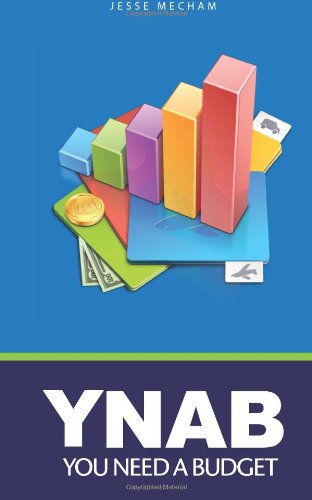
7. You Need a Budget by Jesse Mecham
Pros:
✅ Teaches proactive budgeting with YNAB method
✅ Helps break the paycheck-to-paycheck cycle
✅ Pairs well with the YNAB budgeting app
Cons:
❌ Best paired with the paid YNAB software
❌ Budgeting approach requires discipline
The YNAB methodology transforms how you relate to money and budgeting. Unlike restrictive budgets that fail, YNAB teaches you to allocate money purposefully to your priorities. Users typically reduce spending by 20-30% and feel more in control of their finances. At $13, learning this system is invaluable.
Why we recommend it: Most people hate budgeting because traditional budgets feel restrictive. YNAB changes that by showing you how to budget toward goals, not away from spending.
8. The Automatic Millionaire by David Bach

Pros:
✅ Shows how to build wealth on autopilot
✅ Latte Factor concept is eye-opening
✅ Quick read with immediately actionable steps
Cons:
❌ Some examples feel outdated
❌ Oversimplifies some financial concepts
Bach’s “Pay Yourself First” principle shows how to build wealth automatically without discipline. By automating savings and investments, most people build six-figure net worth in 20 years. The system removes willpower from the equation, making wealth building almost effortless.
Why we recommend it: This book proves that you don’t need extreme discipline to build wealth—you need automation. Readers implementing the system consistently achieve millionaire status by retirement.
9. The Richest Man in Babylon by George S. Clason

Pros:
✅ Timeless wealth principles in parable format
✅ Easy to read in one sitting
✅ Foundational money lessons applicable today
Cons:
❌ Archaic writing style may not appeal to all
❌ Very basic for experienced readers
This classic uses parables to teach timeless wealth-building principles. Written in 1926, its advice on saving, investing, and wealth-building remain true today. The parable format makes it engaging and memorable. At just $7, it’s the cheapest entry point to good financial advice.
Why we recommend it: The timeless principles and engaging writing make this perfect for someone intimidated by finance. It proves that good financial principles work regardless of era.
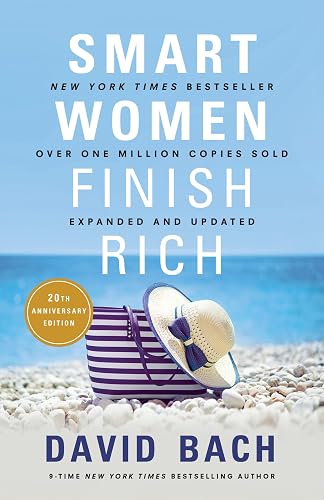
10. Smart Women Finish Rich by David Bach
Pros:
✅ Tailored financial advice for women
✅ Covers investing, retirement, and protection
✅ Updated edition with modern strategies
Cons:
❌ Some content overlaps with Automatic Millionaire
❌ May feel basic for financially savvy readers
This book addresses the financial challenges women face: wage gaps, career interruptions, and financial management disparities. Bach provides strategies for women to build wealth despite systemic disadvantages. Women readers report increased financial confidence and measurably better financial outcomes.
Why we recommend it: Women face specific financial challenges that generic finance books don’t address. This book provides targeted strategies and removes shame around these challenges.
Your Financial Education Starts Here
These ten books represent different approaches to financial success, so different readers will resonate with different ones. The common theme? All of them consistently improve readers’ financial outcomes through better knowledge and changed behavior. A $150 investment in reading all ten books typically yields $10,000-$100,000+ in improved financial decisions over your lifetime. That’s a 100-1000x return on investment. Your financial education is one of the best investments you can make.
This article contains affiliate links to Amazon. As an Amazon Associate, we earn from qualifying purchases at no extra cost to you.
How to Choose the Right Personal Finance Book for You
With thousands of money books available, picking the right one depends on where you are in your financial journey. Here’s how to narrow down your choice.
For Complete Beginners
If you’ve never read a finance book before, start with Rich Dad Poor Dad or The Richest Man in Babylon. These books use stories and parables to teach foundational concepts like the difference between assets and liabilities, paying yourself first, and making your money work for you. They require no prior financial knowledge and change how you think about money at a fundamental level.
For Hands-On Action Takers
If you want a step-by-step system to follow, I Will Teach You to Be Rich and The Total Money Makeover are your best choices. Ramit Sethi gives you a 6-week plan to automate your finances, negotiate bills, and start investing. Dave Ramsey provides a debt-elimination system with clear baby steps. Both books tell you exactly what to do each week.
For Investors and Wealth Builders
Once you’ve mastered budgeting and saving, graduate to The Intelligent Investor, The Simple Path to Wealth, or One Up On Wall Street. These books teach investment principles that have stood the test of time. Benjamin Graham’s value investing approach, JL Collins’ index fund strategy, and Peter Lynch’s common-sense stock picking have created more millionaires than any get-rich-quick scheme.
For Mindset and Psychology
Understanding why we make poor financial decisions is just as important as knowing what to do. The Psychology of Money explores how emotions, biases, and personal history shape our financial behavior. Think and Grow Rich focuses on the mental habits and goal-setting principles shared by successful people. The Millionaire Next Door reveals the surprising truth about how everyday Americans build seven-figure net worths through discipline rather than high incomes. Reading these books helps you identify and overcome the hidden mental patterns that sabotage financial progress.
Frequently Asked Questions
What is the best personal finance book for beginners?
The best starter books are Rich Dad Poor Dad for mindset shifts and I Will Teach You to Be Rich for actionable steps. Both are under $15 and provide foundational money management principles.
Can books really help me build wealth?
Yes. Personal finance books teach principles that compound over decades. The Psychology of Money and The Simple Path to Wealth have helped millions build six-figure portfolios starting with small investments.
What personal finance books do millionaires recommend?
The Millionaire Next Door, The Intelligent Investor, and Think and Grow Rich are consistently recommended by self-made millionaires. These classics teach wealth-building principles that stand the test of time.
Related Money-Saving Guides
Top 10 Identity Protection Products
Top 10 Home Office Essentials
Top 10 Energy-Saving Devices