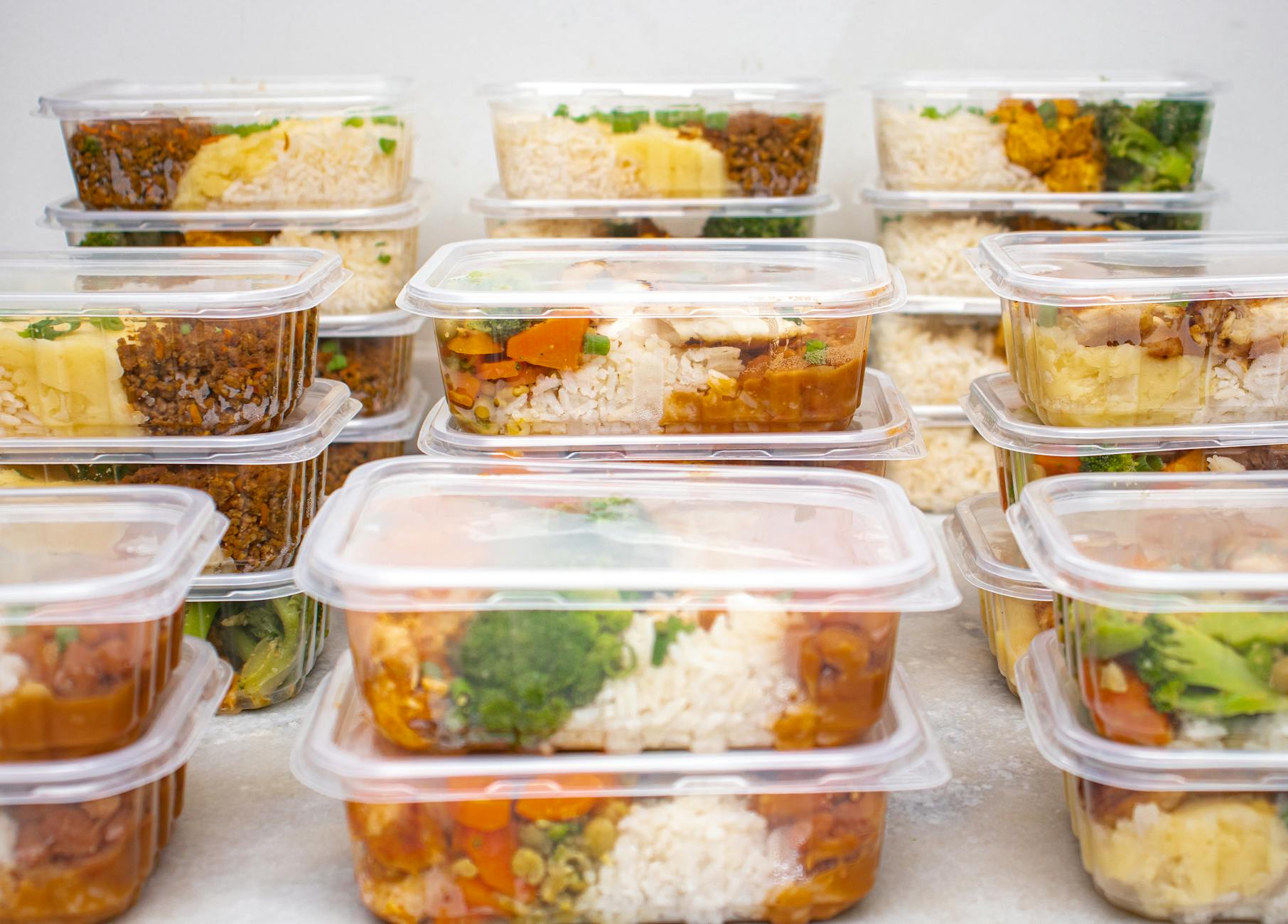
Meal Prep on a Budget: How to Eat Well for Less Than You Think
I used to think meal prep meant spending my entire Sunday chained to the stove, surrounded by matching glass containers, assembling Instagram-worthy lunches for the week ahead. Spoiler: that’s not how it works for most of us, and it’s definitely not how it works for me. Real meal prep isn’t about perfection or Pinterest boards — it’s about setting yourself up for success so that Wednesday night you doesn’t cave and order $47 worth of Thai food for two people.
The truth is, meal prep has a reputation for being complicated and time-consuming. Done right, it’s neither. The goal isn’t to cook every meal for the week on Sunday afternoon — it’s to reduce friction during the week so that cooking at home is easier than ordering out. When you remove the mental load of figuring out what to eat and whether you have the ingredients, you naturally eat at home more. And the budget benefits follow naturally from eating in more consistently. The average American household spends about $3,500 per year on food away from home. Even cutting that number in half puts real money back in your pocket.
Pick 3 Proteins and Build Around Them
Here’s the approach that finally made meal prep click for me: buying three proteins at the start of the week — chicken thighs, eggs, and canned tuna, for example — and building multiple meals around them. This simple framework reduces grocery costs and decision fatigue simultaneously. You’re not wandering the meat aisle wondering what sounds good. You have a plan.
Chicken thighs are the most cost-effective cut of chicken by a significant margin, typically running $2.50–$4.00 per pound compared to $5–$8 for boneless skinless breasts. They’re also more forgiving to cook — the extra fat keeps them moist even if you overcook them slightly — and they work in dozens of preparations. One week, I’ll roast a batch with lemon and herbs for grain bowls, shred some for tacos, and dice the rest for a quick stir-fry.
Eggs are one of the most protein-dense and affordable foods available anywhere. At roughly $3–$4 per dozen (depending on your location), that’s about $0.30 per egg, delivering 6 grams of protein each. Hard-boil a dozen on Sunday, and you’ve got snacks, salad toppers, and quick breakfast options ready to go. A two-egg breakfast costs you about $0.60. Compare that to a breakfast sandwich from a drive-through at $5.49.
Canned tuna or salmon provides shelf-stable protein that requires zero cooking. A can of chunk light tuna runs about $1.50–$2.00 and contains roughly 20 grams of protein. Mix it with a little mayo, some diced celery, and serve it on toast or over greens. Having a clear protein plan eliminates the “what are we eating tonight” question that so often leads to takeout.
Dried Beans and Lentils Are Wildly Underrated
If I had to choose one food category that delivers the best bang for your buck, it’s dried legumes — and it’s not even close. Dried lentils and beans cost roughly $0.50–$1.50 per pound and expand significantly when cooked. A pound of dried lentils makes roughly 8 servings. Do the math: that’s less than $0.20 per serving of filling, nutritious food.
They require no special technique — cover with water, simmer until tender — and form the base of dozens of filling, nutritious meals. Red lentils cook in about 20 minutes and practically dissolve into soups and curries. Black beans work beautifully in tacos, rice bowls, and salads. Chickpeas can be roasted for a crunchy snack or blended into homemade hummus for a fraction of store-bought prices.
Here’s a real example from my kitchen: I make a big pot of lentil soup every few weeks. The ingredients cost roughly $6 total — one pound of lentils, a can of diced tomatoes, an onion, some carrots, garlic, and spices I already have. That yields about 8 generous servings, bringing each bowl to $0.75. A comparable soup at a fast-casual restaurant runs $8–$12. If budget is the primary constraint, beans and lentils should be a weekly staple.
Pro tip: if you’re intimidated by dried beans, start with lentils since they don’t require soaking. Once you’re comfortable, graduate to black beans or chickpeas. Soaking overnight isn’t hard — it just requires remembering to do it. Set a phone reminder the night before you plan to cook.
Use Your Freezer Properly
The freezer is the most underused tool in most kitchens. I spent years treating mine as a graveyard for forgotten ice cream and mystery meats. Once I started using it strategically, my food waste dropped dramatically and my meal options expanded.
Cooked grains freeze beautifully and reheat quickly. Make a big batch of rice or quinoa, portion it into 1-cup servings, and freeze. When you need a quick base for dinner, microwave a portion for 2–3 minutes. This saves both time and the energy cost of cooking small batches repeatedly. A 2-pound bag of rice costs about $3 and provides roughly 20 servings — that’s $0.15 per serving of a filling side dish.
Soups and stews freeze in portions and become ready meals when defrosted. I keep a rotation of chili, chicken soup, and vegetable curry in my freezer at all times. When I’m too tired to cook, I have home-cooked options that cost me nothing extra in the moment. Use freezer-safe containers or zip-top bags laid flat (they stack better once frozen).
Bread freezes well and prevents waste. If you’re a household of one or two, you know the frustration of watching half a loaf go moldy. Pop it in the freezer when you bring it home and pull out slices as needed — they defrost in minutes or can go directly in the toaster.
Buying meat in bulk when it’s on sale and freezing in portions consistently produces a better per-pound price than buying in smaller quantities as needed. Last month, my grocery store had chicken thighs on sale for $1.99 per pound. I bought five pounds, divided them into one-pound portions in freezer bags, and saved roughly $7.50 compared to buying at regular price over the following weeks. Those savings add up to real money over a year.
Breakfast Is the Easiest Meal to Optimize
If you’re looking for the single highest-impact change to your food budget, start with breakfast. It’s the meal most people either skip or outsource, and the math is staggering when you do the comparison.
Overnight oats, hard-boiled eggs, Greek yogurt, and fruit require minimal preparation and cost significantly less than any breakfast purchased outside the home. Let me break down the numbers:
- Overnight oats: $0.50 per serving (oats, milk, a little honey, some berries)
- Two hard-boiled eggs: $0.60
- Greek yogurt with fruit: $1.25
- Homemade breakfast burrito with eggs, beans, and cheese: $1.50
Now compare that to what you’d spend grabbing breakfast on your way to work:
- Coffee shop breakfast sandwich: $5.49–$7.99
- Drive-through breakfast combo: $6.99–$9.99
- Café avocado toast: $11.00–$14.00
Skipping the $6–$9 daily breakfast purchase and replacing it with a $1 home-made alternative saves $1,500–$2,000 per year for a single person — often the single highest-return food budget change available. For a two-person household, you could be looking at $3,000–$4,000 in annual savings. That’s a vacation. That’s a significant dent in a car payment. That’s real financial breathing room.
My personal favorite: overnight oats prepared in mason jars. I make five at once on Sunday evening — literally 10 minutes of work — and grab one each morning. No cooking, no cleanup, no excuses.
Shop Strategically, Not Reactively
The way you shop matters as much as what you cook. Reactive shopping — wandering the store hungry with no list, grabbing whatever looks good — is the fastest way to blow your budget and end up with ingredients that don’t go together.
Start by checking what you already have. I can’t tell you how many times I’ve bought garlic only to find three heads already in my pantry. Take 60 seconds to scan your fridge, freezer, and pantry before making a list. Build your meals around what needs to be used up first.
Plan your shopping trip around the weekly sales flyer. If pork shoulder is on sale for $1.79 per pound, that’s your protein this week. If bell peppers are buy-one-get-one, you’re making fajitas. Flexibility based on what’s discounted can easily save 20–30% on your grocery bill.
Buy store brands. In most cases, the ingredients are identical to name brands, and you’ll save $0.50–$2.00 per item. On a cart of 30 items, that’s $15–$60 in savings per trip. Over a year, store-brand shopping can save a family $500–$1,000 without any sacrifice in quality.
Finally, don’t overlook the “ugly produce” sections or discount racks. Bananas with brown spots are perfect for smoothies and often cost half the regular price. Day-old bread makes excellent toast and freezes perfectly well. A slightly dented can of tomatoes is exactly as nutritious as a pristine one.
Batch Cooking Without Burning Out
Here’s where most people go wrong with meal prep: they try to do too much at once, burn out after two weeks, and declare the whole concept doesn’t work for them. I’ve been there. The key is starting small and building sustainable habits.
Instead of cooking 15 meals on Sunday, try this beginner approach: prep components, not complete meals. Cook a big batch of grains, roast a tray of vegetables, and prepare one protein. During the week, you mix and match these components into different meals with minimal effort. Monday, it’s a grain bowl with roasted veggies and chicken. Tuesday, the same chicken goes into tacos with fresh toppings. Wednesday, you toss the grains into a soup.
Set a realistic time commitment. For me, 90 minutes on Sunday is the sweet spot. I put on a podcast, pour a cup of coffee, and actually enjoy the process. If 90 minutes feels like too much, start with 30. Even just washing and chopping vegetables ahead of time removes a significant barrier to cooking on weeknights.
Embrace “good enough.” Your meal prep doesn’t need to look like a food blogger’s photo shoot. Functional containers work just as well as matching glass sets. Slightly overcooked rice still fills you up. The goal is progress, not perfection.
Eating well on a budget isn’t about deprivation or spending your weekends in the kitchen. It’s about working smarter — choosing versatile proteins, embracing humble ingredients like beans and lentils, using your freezer as the tool it was meant to be, and reducing the daily decisions that lead to expensive impulse choices. Start with one or two changes this week. Once those become habits, add another. Before you know it, you’ll be spending less, eating better, and wondering why you ever thought meal prep was complicated.
Meal Prep Must-Haves on Amazon
As an Amazon Associate, we may earn from qualifying purchases. These are products we genuinely recommend based on the topics covered in this article.
⭐ Product Pick: Instant Pot Duo 7-in-1 (6 Quart)
Pressure cooker, slow cooker, rice cooker, steamer, sauté pan, yogurt maker, and warmer in one. Perfect for batch-cooking beans, grains, soups, and stews in a fraction of the time. ~$80. Check price on Amazon →
⭐ Product Pick: Bayco 24-Piece Glass Meal Prep Containers
BPA-free glass containers with snap-lock lids. Microwave, oven, freezer, and dishwasher safe. These are a game-changer for weekly batch cooking — glass won’t stain or absorb odors like plastic. ~$35 for 24 pieces. Check price on Amazon →